إجابات موضوعية عن الحياة والقدرة الإنجابية والزواج بعد عملية البروستاتا، مع توضيح الفرق بين حالات التضخم الحميد والسرطان
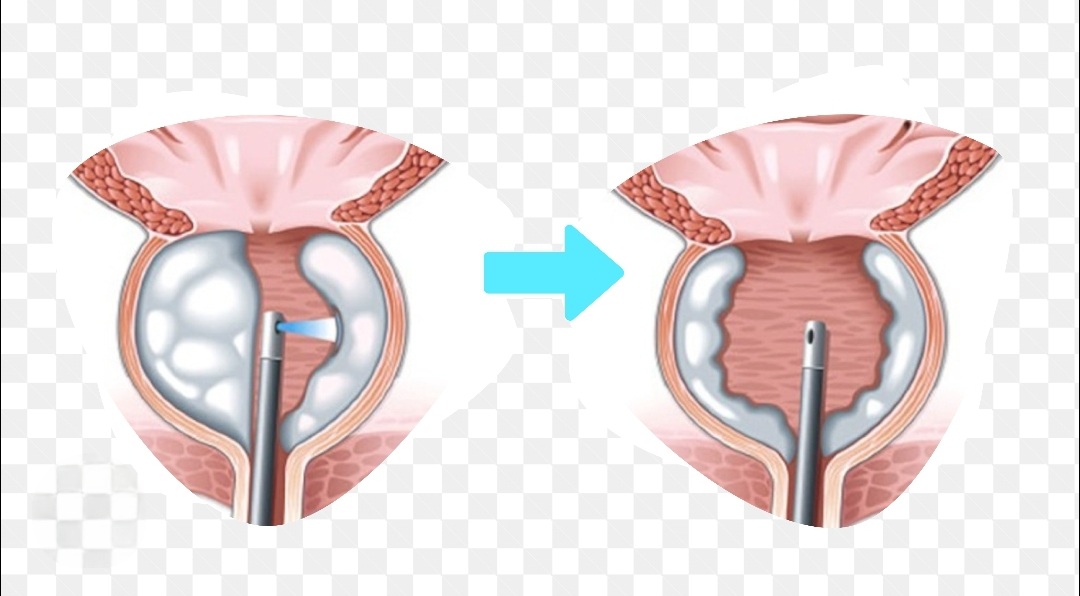
The answer depends on why the surgery was done. For benign prostatic enlargement (the most common case), the obstructing excess tissue is removed by laser (HoLEP/ThuLEP) while usually preserving the gland and sexual function, but a significant proportion of patients develop retrograde ejaculation, which prevents natural conception without meaning total infertility. For prostate cancer requiring complete radical removal of the gland, the outcome is very different: permanent loss of ejaculation and natural fertility, with a chance of erectile dysfunction depending on how much the surrounding nerves could be preserved during surgery. It's important to know which type of surgery applies to your specific case before judging the expected outcome.
Yes, a person can live a completely normal life without a prostate. The prostate is an accessory gland in the reproductive system whose main function is secreting part of the seminal fluid — it is not a vital organ required for survival like the heart or kidneys. After its removal (partial in benign enlargement cases, or complete in cancer cases), the body continues its vital functions normally.
Modern laser prostate enucleation surgeries (HoLEP/ThuLEP) are very safe with a low complication rate, and typically take one to two hours depending on prostate size. The urinary catheter is usually removed within 24 hours, and the patient returns to normal daily activity within one to two weeks. Radical prostatectomy for prostate cancer is more complex, typically taking 2-4 hours, with a longer recovery period extending several weeks.
Have more questions? Book a consultation with Dr. Samer Morsy
💬 WhatsApp Dr. MorsyBenign prostatic hyperplasia (BPH) does not turn into cancer — they are two entirely different conditions in origin and disease mechanism, and can coincidentally coexist in the same patient without one causing the other. What actually happens is that both are common with advancing age and cause similar urinary symptoms, which is why regular prostate screening (digital exam and PSA testing) is always recommended for any man over 50, to distinguish between them early.
Yes, prostate disease (whether benign enlargement or even early-stage, treated prostate cancer) does not prevent marriage at all — it is not a contagious disease and does not prevent a normal married life. The common concern among patients usually relates to sexual function after treatment, which is individual and depends on the type of treatment and disease stage, and is best discussed openly with the treating physician before deciding on treatment.
Ready to take the next step? Book your appointment today
📅 Book Appointment