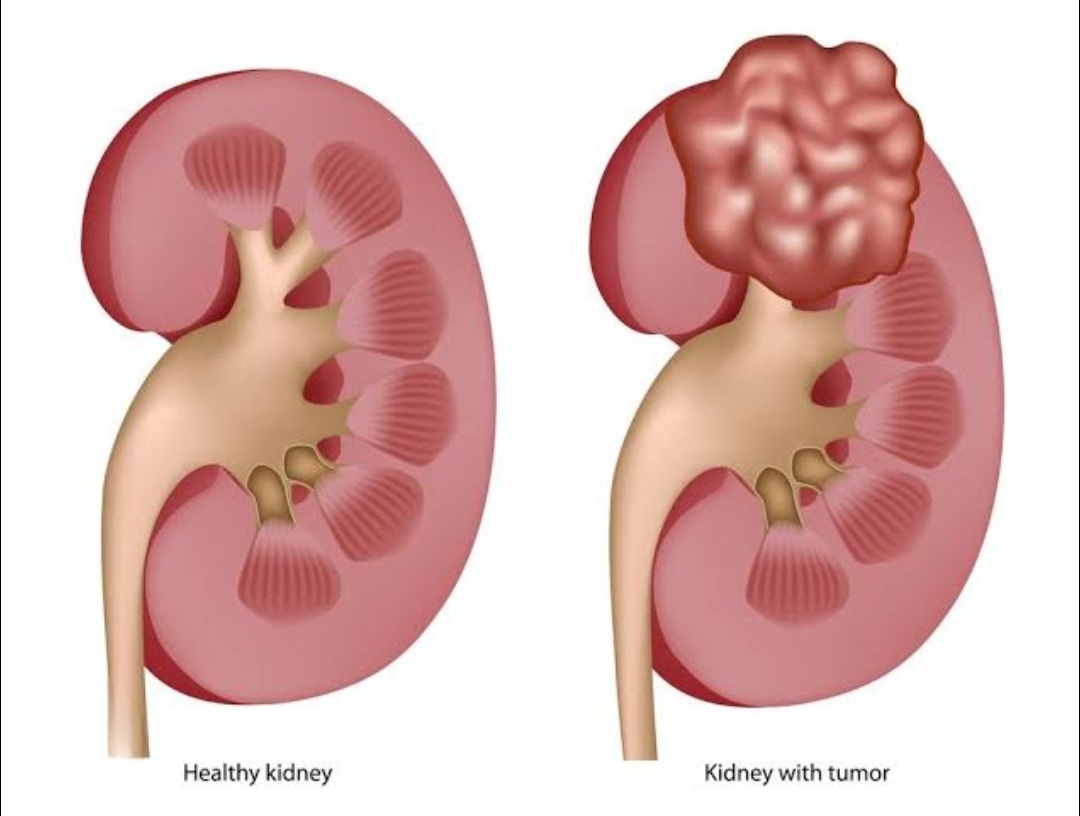
What it means and how it's managed — benign mimickers, diagnostic workup, and size-based treatment options
Not necessarily. Many renal masses found incidentally on a scan done for an unrelated reason turn out to be benign — simple cysts, angiomyolipomas, or oncocytomas can all look like a 'mass' on initial imaging. It's true that about 70% of kidney cancers are now found incidentally, but that statistic describes how cancers are discovered, not the odds that any given incidental mass is cancerous. Further imaging is what determines which category your mass falls into.
The next step is dedicated characterization imaging — usually a triphasic contrast CT scan, which is the primary tool for evaluating a renal mass. It shows how the mass behaves with contrast, its size, and whether it extends beyond the kidney. MRI can add detail in specific situations, such as suspected vein involvement. A chest CT is added if there's concern about spread. Biopsy isn't routine for every mass — it's reserved for cases where the imaging is inconclusive, ablation is being planned, or metastatic disease is suspected.
Usually not urgently, and sometimes not at all. Management is based mainly on size. Masses under 2 cm carry a metastasis risk under 2% and are often managed with active surveillance rather than immediate treatment. Tumors under 7 cm are typically treated with partial nephrectomy when treatment is needed. Select small tumors under 3 cm can be treated with ablation in patients who aren't good surgical candidates. Larger tumors, or those in a difficult location, may require radical nephrectomy. The point is that size — not the fact that a mass was found — is what drives the timeline.
The rise in incidental renal mass detection isn't a coincidence — it's a byproduct of how much imaging is done today. Ultrasounds and CT scans ordered for abdominal pain, kidney stones, gallbladder issues, or routine check-ups routinely capture the kidneys as a side finding. About 70% of kidney cancers are now discovered this way, before any symptoms like flank pain or blood in the urine appear. The upside is real: incidental detection means smaller tumors caught earlier, at a stage when outcomes are far better.
Radiologists classify cystic renal masses using the Bosniak system, which grades them from simple, clearly benign cysts (Bosniak I) through complex categories with progressively higher cancer risk. Two of the most common benign solid mimickers are angiomyolipoma — a fat-containing tumor visible on CT, which mainly needs attention if it grows beyond 4 cm because of a spontaneous bleeding risk — and oncocytoma, a benign tumor that can closely resemble kidney cancer on imaging and sometimes requires a biopsy to tell apart. Not every solid-looking mass is malignant, which is exactly why characterization imaging matters before assuming the worst.
Triphasic contrast CT is the primary tool for evaluating any renal mass — it shows how the tissue enhances across different contrast phases, which helps distinguish solid tumors from cysts and benign fat-containing masses like angiomyolipoma. MRI adds detail when vein involvement is suspected or when CT findings are ambiguous. A chest CT is used to rule out lung spread when there's concern about a more advanced process. Biopsy is not needed before treating every mass, but it becomes useful for small masses when ablation is being planned, or when the diagnosis genuinely remains uncertain after imaging.
Have more questions? Book a consultation with Dr. Samer Morsy
💬 WhatsApp Dr. MorsyManagement decisions follow tumor size closely. Masses under 2 cm carry a metastasis risk under 2% and are frequently appropriate for active surveillance instead of immediate treatment. Tumors under 7 cm are generally treated with partial nephrectomy — removing just the tumor and preserving the healthy kidney tissue — which is the standard of care for this size range. Select tumors under 3 cm can be treated with ablation (heat or cold) in patients who are elderly or not good surgical candidates. Tumors over 7 cm, or those in a difficult anatomical location, are usually treated with radical nephrectomy, removing the whole kidney.
Active surveillance isn't 'doing nothing' — it's a structured monitoring protocol for small masses (under 2 cm) where the risk of the mass being aggressive is low. It typically means serial imaging every 6 to 12 months to track the mass's growth rate. A growth rate under 3 mm per year is considered reassuring and supports continuing surveillance. This approach avoids over-treating patients — particularly older patients or those with limited life expectancy or higher surgical risk — for a mass that may never need intervention.
The decision to move from watching to treating is driven by change, not time alone. A growth rate that accelerates beyond roughly 3-5 mm per year, a mass that crosses the 3-4 cm threshold, or new features appearing on follow-up imaging are all reasons to revisit the plan with your urologist. Surveillance is a starting point, not a permanent label — it's reassessed at every scan, and the plan can shift toward ablation or surgery if the mass behaves differently than expected.
It's a reasonable step, especially when the mass is borderline in size, the imaging findings are ambiguous, or you're being offered a treatment you're unsure about. A second review of the same CT or MRI images by another urologist can confirm the characterization and management plan, or surface an option — such as surveillance instead of surgery, or a nephron-sparing approach instead of a full nephrectomy — that wasn't clearly presented. This doesn't need to delay care; imaging can typically be shared electronically for review.
Occasionally, yes — but it's the exception rather than the rule. The clearest example is a large angiomyolipoma, a benign fat-containing tumor that carries a real risk of spontaneous bleeding once it grows beyond about 4 cm. In that specific situation, treatment (typically embolization or partial nephrectomy) may be recommended even though the mass itself is benign, purely to prevent a bleeding emergency. Outside of that scenario, most incidentally found renal masses — cancerous or not — are evaluated and managed on a planned timeline rather than an urgent one.
Ready to take the next step? Book your appointment today
📅 Book Appointment